

Acne Management
POINT
Relieves symptoms with oral and topical medications
Reduces acne-causing bacteria and inflammation
Minimizes the development of acne scars
PLUS
Intracel, Fraxel
Corage Cell Fit
LDM Treatment
Skin Scaling
Lhala Peel
Acne Treatment Methods
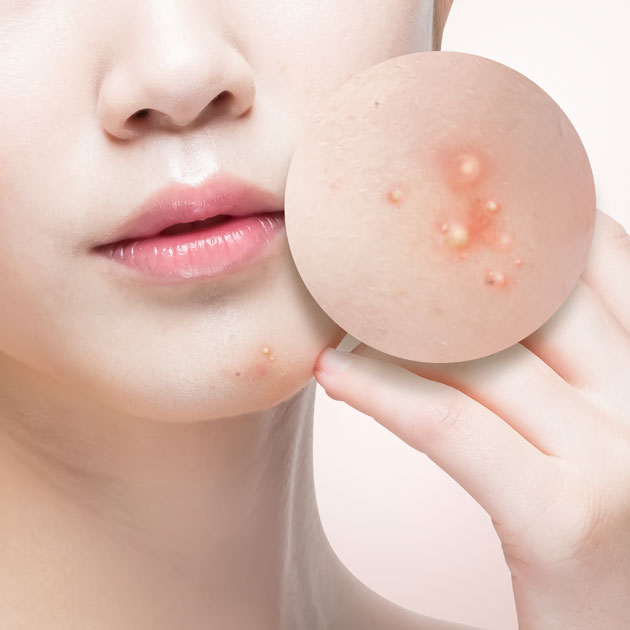
Acne can be caused by many different factors, making it a common skin condition that can affect people of all ages and genders, not only teenagers. It is important to receive appropriate treatment based on your current skin condition, as inadequate treatment may result in scarring.
The Combination of Sebum and Bacteria
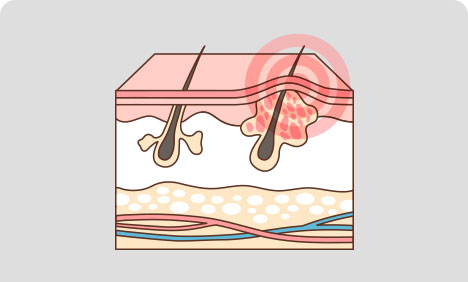
Reducing Sebum Production to Relieve Acne-Causing Bacteria and Inflammation
When excessive sebum is present, topical antibiotics or vitamin A ointments may be used depending on the symptoms. This process helps reduce sebum production and remove dead skin cells. As a result, it helps eliminate acne-causing bacteria and promotes the recovery of areas affected by redness and inflammation.
Acne Scaling
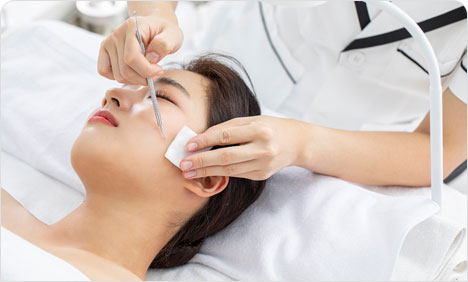
Removing dead cells from the outermost layer of the skin.
Acne scaling is a mild peeling treatment that uses various chemical agents to dissolve only dead skin cells in the stratum corneum and part of the epidermis. It helps remove epidermal pigmentation and promote new skin regeneration, allowing sebum to be discharged more effectively from acne-prone skin while improving acne and skin tone.
Chemical Peeling
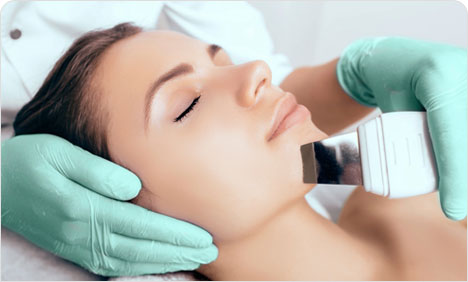
Resetting the skin environment to improve medication absorption.
When acne is severe or widely distributed, peeling treatments remove the dead skin later and open the hair follicles, allowing sebum to be discharged more easily. Pus can also clear more quickly, while increased absorption of topical medications helps improve their effectiveness, shorten the treatment period, and improve overall skin condition.
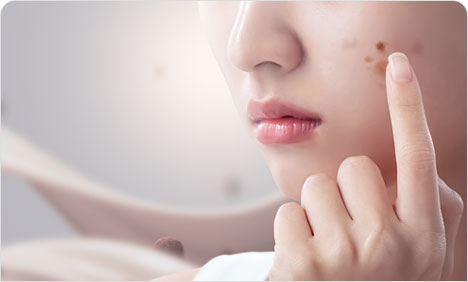
Minimizing Acne Scars
Without appropriate treatment at each stage, inflammation and secondary infection can lead to scarring
When sebum accumulates at the opening of a pore, it can develop into blackheads or whiteheads. When acne-causing bacteria infect a blocked hair follicle, inflammatory acne can develop. Acne scars caused by inflammation and secondary infection are difficult to regenerate naturally, so treatment focuses on minimizing the development of scars.
Recommended For
Those troubled by acne on the entire face or in specific areas
Those with enlarged pores and excessive sebum production that makes the face appear oily
Those with dull-looking skin caused by accumulated sebum and dead skin cells
Expected Effects

Improves Acne

Reduction of Wrinkles

Reduction of Enlarged Pores

Smoother Skin Contour
Q&A
How can I prevent acne scars?
Red acne marks are the final stage of inflammatory acne and can naturally regenerate, making appropriate treatment at the right time very important. Deeper acne may leave dark brown acne marks, which are scars caused by inflammatory acne and may require scar treatment.
What types of acne are there?
Whiteheads, also known as closed comedones, develop when sebum accumulates inside the pores. When sebum continues to accumulate without bacterial infection, the pores expand and the sebum becomes exposed to air, oxidizing and appearing black. These are called blackheads. When bacteria multiply within whiteheads, small red raised bumps known as papular acne can develop. When red acne lesions rupture beneath the skin, they can become larger, painful lesions known as pustular acne.
What causes sebum, the culprit of acne?
Sebum is produced by sebaceous glands to prevent skin dryness. It forms a light protective oil layer on the skin, helping prevent moisture loss and protect the skin. Proper moisturization can help prevent dehydrated, oily skin.
Please tell me the precautions after the procedure!
Avoid saunas and intense exercise after treatment, and avoid alcohol and smoking as they may reduce the skin's regenerative ability. Always apply sunscreen when going outside. Heat or a stinging sensation may occur for 1-2 days after treatment, and any scabs or peeling skin should be allowed to fall off naturally.
Acne Management
POINT
Relieves symptoms with oral and topical medications
Reduces acne-causing bacteria and inflammation
Minimizes the development of acne scars
PLUS
Intracel, Fraxel
Corage Cell Fit
LDM Treatment
Skin Scaling
Lhala Peel
Acne Treatment Methods
Acne can be caused by many different factors, making it a common skin condition that can affect people of all ages and genders, not only teenagers. It is important to receive appropriate treatment based on your current skin condition, as inadequate treatment may result in scarring.
The Combination of Sebum and Bacteria
Reducing Sebum Production to Relieve Acne-Causing Bacteria and Inflammation
When excessive sebum is present, topical antibiotics or vitamin A ointments may be used depending on the symptoms. This process helps reduce sebum production and remove dead skin cells. As a result, it helps eliminate acne-causing bacteria and promotes the recovery of areas affected by redness and inflammation.
Acne Scaling
Removing dead cells from the outermost layer of the skin.
Acne scaling is a mild peeling treatment that uses various chemical agents to dissolve only dead skin cells in the stratum corneum and part of the epidermis. It helps remove epidermal pigmentation and promote new skin regeneration, allowing sebum to be discharged more effectively from acne-prone skin while improving acne and skin tone.
Chemical Peeling
Resetting the skin environment to improve medication absorption.
When acne is severe or widely distributed, peeling treatments remove the dead skin later and open the hair follicles, allowing sebum to be discharged more easily. Pus can also clear more quickly, while increased absorption of topical medications helps improve their effectiveness, shorten the treatment period, and improve overall skin condition.
Minimizing Acne Scars
Without appropriate treatment at each stage, inflammation and secondary infection can lead to scarring
When sebum accumulates at the opening of a pore, it can develop into blackheads or whiteheads. When acne-causing bacteria infect a blocked hair follicle, inflammatory acne can develop. Acne scars caused by inflammation and secondary infection are difficult to regenerate naturally, so treatment focuses on minimizing the development of scars.
Recommended For
Those troubled by acne on the entire face or in specific areas
Those with enlarged pores and excessive sebum production that makes the face appear oily
Those with dull-looking skin caused by accumulated sebum and dead skin cells
Expected Effects
Improves Acne
Reduction of Wrinkles
Reduction of Enlarged Pores
Smoother Skin Contour
Q&A
How can I prevent acne scars?
Red acne marks are the final stage of inflammatory acne and can naturally regenerate, making appropriate treatment at the right time very important. Deeper acne may leave dark brown acne marks, which are scars caused by inflammatory acne and may require scar treatment.
What types of acne are there?
Whiteheads, also known as closed comedones, develop when sebum accumulates inside the pores. When sebum continues to accumulate without bacterial infection, the pores expand and the sebum becomes exposed to air, oxidizing and appearing black. These are called blackheads. When bacteria multiply within whiteheads, small red raised bumps known as papular acne can develop. When red acne lesions rupture beneath the skin, they can become larger, painful lesions known as pustular acne.
What causes sebum, the culprit of acne?
Sebum is produced by sebaceous glands to prevent skin dryness. It forms a light protective oil layer on the skin, helping prevent moisture loss and protect the skin. Proper moisturization can help prevent dehydrated, oily skin.
Please tell me the precautions after the procedure!
Avoid saunas and intense exercise after treatment, and avoid alcohol and smoking as they may reduce the skin's regenerative ability. Always apply sunscreen when going outside. Heat or a stinging sensation may occur for 1-2 days after treatment, and any scabs or peeling skin should be allowed to fall off naturally.